
Commercial Truck Insurance: Everything You Need To Know
Commercial trucking keeps supply chains moving, but it also carries high risk. One accident, cargo issue, or liability claim can lead to serious financial loss. Commercial truck insurance, which falls under commercial auto insurance, exists to protect drivers, owner-operators, and fleet businesses from these risks while keeping operations compliant and secure.
This guide explains how commercial truck insurance works, what coverage you need, and how to choose a policy that fits your business.
What Is Commercial Truck Insurance?
Commercial truck insurance is a specialized policy designed for vehicles used to transport goods, materials, or equipment for business purposes. It goes beyond standard auto insurance by covering higher liability limits, cargo risks, and industry-specific exposures.
Whether you operate a single truck or manage a fleet, this type of coverage helps protect your vehicle, your cargo, and your financial stability.
Who Needs Commercial Truck Insurance?
If your vehicle is used for business transportation, you likely need commercial truck insurance. This includes:
- Owner-operators working independently
- Trucking companies managing fleets
- Contractors hauling tools or materials
- Delivery and logistics providers
- Freight carriers transporting goods across regions
Even small-scale operations face the same legal and financial risks as larger fleets, which makes proper coverage essential.
Related Article: How Much Is Commercial Truck and Trailer Insurance in Ontario?
Why Commercial Truck Insurance Matters
Operating a commercial truck exposes you to risks that standard policies do not cover. These risks include:
- High-value cargo loss or damage
- Multi-vehicle accidents with large claims
- Legal liability for injuries or property damage
- Downtime that affects revenue
- Regulatory requirements and compliance issues
Without the right insurance, a single incident can disrupt your business or result in long-term financial strain.
Core Types of Commercial Truck Insurance Coverage
Understanding your coverage options helps you build a policy that matches your operations. Below are the main types of coverage included in most commercial truck insurance plans.
Primary Liability Insurance
This is the foundation of any commercial trucking policy. It covers bodily injury and property damage if you are at fault in an accident.
Most provinces and federal regulations require minimum liability limits. However, higher limits offer stronger financial protection, especially for long-haul or high-risk operations.
Physical Damage Coverage
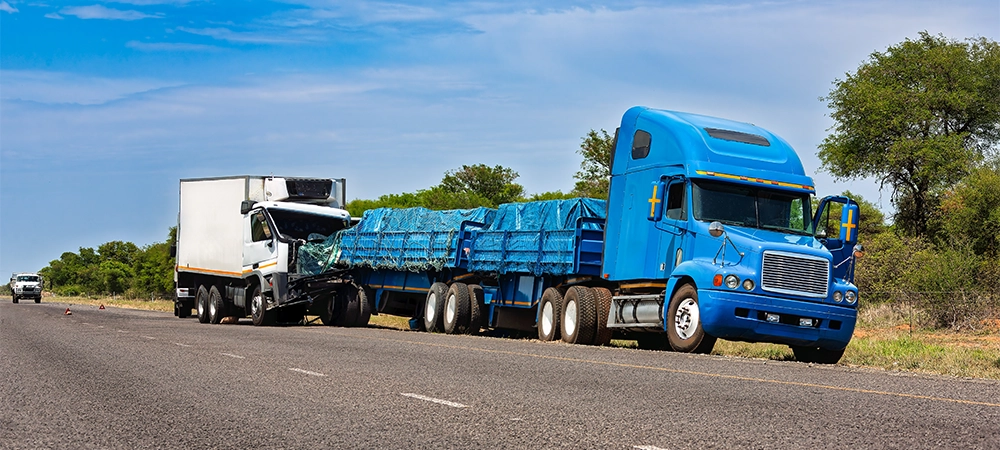
Physical damage insurance protects your truck itself. It includes:
- Collision coverage for accidents
- Comprehensive coverage for theft, fire, vandalism, or natural events
This coverage ensures your vehicle can be repaired or replaced without a major financial burden.
Cargo Insurance
Cargo insurance covers the goods you transport. If cargo is damaged, lost, or stolen, this policy helps cover the cost.
Coverage requirements vary depending on the type of freight you carry. High-value or specialized cargo often requires higher limits or additional endorsements.
General Liability Insurance
General liability protects your business from risks not directly tied to driving. This includes:
- Injuries on your business premises
- Damage caused during loading or unloading
- Advertising or reputational claims
It fills gaps that primary liability does not address.
Trailer Interchange Insurance
If you use trailers owned by another party under an interchange agreement, this coverage protects against damage to those trailers while in your care.
Non-Trucking Liability Insurance
Also known as bobtail insurance, this covers your truck when it is being used for non-business purposes. It applies when you are driving without a load or outside of dispatch.
Uninsured and Underinsured Motorist Coverage
This protects you if another driver causes an accident but lacks sufficient insurance. It helps cover medical costs and damages that would otherwise fall on you.
Factors That Affect Commercial Truck Insurance Costs
Insurance premiums vary based on several factors. Understanding these can help you manage costs effectively.
Driving Record and Experience
A clean driving record and proven experience reduce risk in the eyes of insurers. New drivers or those with violations may face higher premiums.
Type of Cargo
Hazardous or high-value cargo increases risk, which leads to higher insurance costs. General freight is usually more affordable to insure.
Distance and Routes
Long-haul routes and cross-border operations increase exposure to risk compared to local deliveries.
Vehicle Type and Condition
Newer trucks with safety features may lower premiums. Older vehicles or those with high mileage can increase costs.
Coverage Limits and Deductibles
Higher coverage limits provide more protection but increase premiums. Choosing a higher deductible can lower your monthly cost, but it increases out-of-pocket expenses during a claim.
Related Article: Why Your Business Needs Commercial Vehicle Insurance

How to Choose the Right Commercial Truck Insurance Policy
Selecting the right policy involves more than comparing prices. It requires a clear understanding of your operations and risk level.
Assess Your Business Needs
Start by reviewing how your trucks are used. Consider:
- Type of freight
- Travel distance
- Number of vehicles
- Driver experience
This helps determine the level of coverage required.
Compare Coverage, Not Just Price
Low-cost policies often come with limited protection. Focus on what is included, not just the premium.
Work With a Knowledgeable Broker
A broker can help you find policies that align with your needs and budget. They compare options across providers and explain coverage in clear terms.
Ron Johnston Insurance takes a client-first approach, helping businesses secure coverage that fits their operations and risk profile.
Review Policy Details Carefully
Check for exclusions, coverage limits, and optional add-ons. Make sure there are no gaps that could expose your business to risk.
Common Mistakes to Avoid
Many trucking businesses overlook key details when choosing insurance. Avoid these common issues:
- Choosing the cheapest policy without reviewing coverage
- Underinsuring cargo or liability limits
- Ignoring additional coverage needs, such as downtime protection
- Failing to update policies as the business grows
- Not reviewing policy terms annually
A well-structured policy protects your business long-term, while a poor one creates risk.
Benefits of Working With Ron Johnston Insurance
Choosing the right insurance partner matters as much as the policy itself. Ron Johnston Insurance offers:
- Personalized coverage based on your business needs
- Access to multiple insurance providers for better options
- Transparent pricing and clear policy explanations
- Digital tools for managing policies and claims
- Ongoing support as your business evolves
Our focus is on helping clients make informed decisions while ensuring reliable protection across all operations.

How to Lower Your Commercial Truck Insurance Premium
There are practical ways to reduce your insurance costs without sacrificing coverage.
- Maintain a clean driving record
- Invest in driver training programs
- Install safety features and tracking systems
- Bundle multiple insurance policies where possible
- Choose higher deductibles if financially manageable
- Review your policy regularly to remove unnecessary coverage
These steps show insurers that your business actively manages risk.
When Should You Update Your Policy?
Your insurance should evolve as your business grows. Review your policy when:
- You add new vehicles or drivers
- You expand routes or services
- You start transporting different types of cargo
- Your revenue or business structure changes
Regular updates ensure your coverage remains relevant and effective.
Protecting Your Business Starts With The Right Coverage
Commercial truck insurance is more than a legal requirement. It is a critical part of protecting your business, your drivers, and your income. The right policy provides stability, reduces financial risk, and supports long-term growth.
Working with an experienced brokerage ensures you get coverage that matches your real-world operations, not a generic policy that leaves gaps.
If you are reviewing your coverage or starting fresh, now is the right time to assess your needs and secure a policy that truly fits your operation. Contact us today.
Frequently Asked Questions
What is the minimum insurance required for commercial trucks in Canada?
Minimum requirements vary by province and federal regulations. Most policies must include primary liability coverage with limits often starting at $1 million, depending on operations.
Does commercial truck insurance cover personal use?
Standard policies do not cover personal use. You need non-trucking liability coverage if you use your truck outside of business operations.
How much does commercial truck insurance cost?
Costs vary widely based on factors like driving history, cargo type, distance, and coverage limits. Premiums can range from a few thousand to over $10,000 annually.
Is cargo insurance mandatory?
Cargo insurance is not always legally required, but many clients and contracts demand it. It is essential for protecting transported goods.
Can owner-operators get their own insurance?
Yes, owner-operators can purchase individual policies tailored to their work, whether leased to a company or operating independently.
What happens if I am underinsured?
If your coverage is too low, you may need to pay out-of-pocket for damages or claims that exceed your policy limits.
How often should I review my policy?
You should review your policy at least once a year or whenever your business operations change significantly.