


What Insurers Look at When Assessing Climate Risk for Homes
Climate risk is now a central factor in home insurance underwriting. Insurers evaluate how environmental exposure affects the likelihood and cost of future claims. In Ontario, extreme weather events, flood patterns, and wildfire activity directly influence home insurance pricing and eligibility.
Understanding what insurers assess helps homeowners make informed decisions before applying for coverage or renewing a policy.
Location and Geographic Exposure
The first factor insurers review is where your home is located. Geographic data helps determine exposure to flooding, wildfire, windstorms, and severe winter events.
Insurers analyze:
- Proximity to lakes, rivers, and floodplains
- Historical flood claims in the area
- Wildfire risk zones
- Coastal or wind-exposed regions
- Municipal drainage infrastructure
Homes near water sources or in areas with repeated claims may face higher premiums or limited coverage options.
In Ontario, overland flooding and sewer backup claims have increased in frequency. Insurers rely on updated mapping and loss data to price policies accurately.
Related Article: Understanding the Basics of Home Insurance: A Comprehensive Guide
Flood Risk and Water Damage History
Water damage remains one of the most common and costly home insurance claims in Canada. For insurers, flood exposure is a primary climate risk indicator because even minor water intrusion can lead to structural damage, mould growth, and expensive restoration.
Insurers review:
- Whether the property sits in a designated floodplain
- Elevation relative to surrounding properties
- Basement configuration and finishing
- Sump pump installation and backup systems
- Prior water damage claims
Floodplain designation is determined through municipal and provincial mapping. Homes located within regulated flood zones face stricter underwriting review and may have limited overland water coverage options.
Elevation matters because water flows to the lowest point. A property positioned below street level or adjacent properties is more vulnerable to pooling and surface runoff. Insurers assess grading, drainage direction, and lot slope when evaluating exposure.
Basement configuration significantly affects potential claim severity. A fully finished basement with bedrooms, bathrooms, or high-end flooring increases projected loss value. In contrast, unfinished basements present lower replacement costs.
Preventive systems influence underwriting decisions. Insurers look for:
- Backwater valves
- Battery-backed sump pumps
- Foundation waterproofing
- Proper downspout extensions
These features demonstrate proactive risk management and may improve eligibility for broader water endorsements.
Overland water coverage is often optional in Ontario policies. Insurers assess eligibility based on flood modelling data, historical rainfall patterns, and municipal sewer capacity. If local infrastructure cannot handle heavy rainfall, underwriting may reflect elevated exposure.

Wildfire Exposure
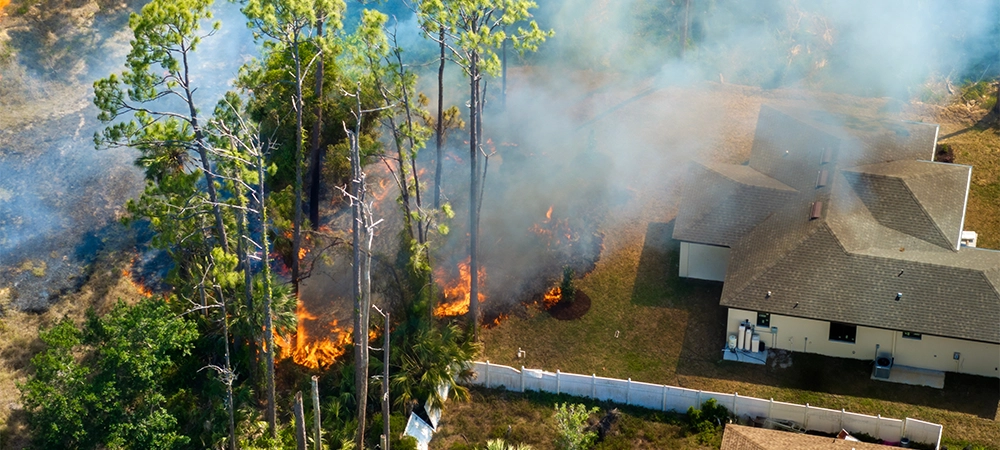
While wildfire risk is higher in western provinces, parts of Ontario remain exposed, particularly in rural and forest-adjacent communities.
Insurers assess:
- Proximity to forests or brush
- Vegetation density around the property
- Roofing materials
- Exterior siding type
- Access for emergency services
Homes located near dense tree lines or unmanaged brush face increased ignition risk during dry periods. Wind-driven embers can travel significant distances and ignite vulnerable materials.
Roofing material plays a critical role. Asphalt shingles with higher fire ratings provide better resistance than untreated wood shake roofing. Similarly, non-combustible siding materials reduce flame spread risk.
Vegetation management influences underwriting outcomes. Insurers evaluate defensible space around the structure. This includes:
- Clearing dry leaves and debris
- Trimming tree branches near the roofline
- Maintaining distance between shrubs and exterior walls
Emergency access also matters. Properties located far from fire stations or on narrow private roads may face additional risk considerations.
Fire-resistant materials and well-maintained landscaping demonstrate reduced ignition probability, which may support more favourable underwriting decisions.
Storm and Wind Vulnerability
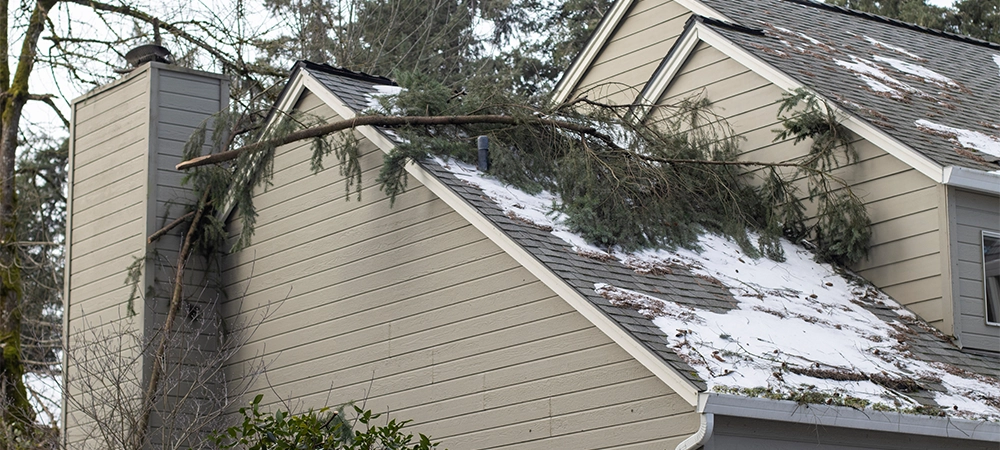
Ontario experiences severe windstorms, ice storms, and heavy snow accumulation. These events contribute to roof damage, fallen trees, and structural stress.
Insurers evaluate:
- Roof age and condition
- Shingle type and wind rating
- Tree proximity to the home
- Building code compliance
- Garage door reinforcement
Roof age is a strong predictor of claim likelihood. Older roofs are more prone to shingle loss, water intrusion, and structural compromise during high winds. Many insurers apply stricter guidelines for roofs beyond a certain age threshold.
Shingle wind ratings indicate how well materials withstand gusts. Higher-rated shingles reduce the probability of blow-off during storms.
Tree proximity increases exposure. Overhanging limbs and mature trees close to the structure heighten the risk of impact damage during wind events or ice accumulation.
Ice damming and freeze-thaw cycles create additional vulnerability. When melting snow refreezes at roof edges, water can back up under shingles and enter the home. Insurers consider insulation quality and attic ventilation as contributing factors.
Garage doors represent a structural weak point during extreme wind events. Reinforced doors reduce internal pressure buildup that can compromise the roof structure.
Related Article: Does Home Insurance Cover Roof Leaks?
Property Construction and Materials
The structural integrity of the home plays a central role in climate risk assessment. Insurers evaluate how building components respond to environmental stress.
Insurers examine:
- Foundation type
- Roof age and material
- Plumbing system age
- Electrical system updates
- Heating system type
Foundation type affects water intrusion risk. Poured concrete foundations typically perform differently than older block foundations in flood scenarios.
Roof material influences durability against wind, hail, and heavy snow. Metal and impact-resistant shingles may perform better under certain conditions.
Plumbing systems present water damage exposure. Older pipes, particularly galvanized steel, are more prone to corrosion and leakage. Updated plumbing reduces claim frequency.
Electrical systems also factor into risk. Modern panels and wiring reduce fire hazards, particularly during power surges associated with storms.
Heating systems matter during extreme cold events. Insurers assess whether the system is maintained and whether backup heating solutions exist in high-risk areas.
Upgrades to these systems reduce the probability of loss and can positively influence underwriting and pricing decisions.
Related Article: A Step-by-Step Guide to Filing and Navigating the Process of Home Insurance Claims
Claims History and Loss Frequency
Insurers review both property-specific and area-wide claims history to evaluate ongoing exposure.
Frequent past claims suggest elevated risk, even if events were weather-related. Patterns of repeated water damage or wind claims indicate vulnerability that may persist without corrective action.
Underwriters assess:
- Number of claims within a defined period
- Type of claims
- Severity and payout amounts
- Remedial measures taken
A history of unresolved issues may lead to higher premiums or coverage restrictions. Conversely, documented repairs and mitigation improvements support long-term insurability.
Area-wide loss frequency also influences pricing. If a neighbourhood consistently experiences flood or wind claims, insurers adjust risk models accordingly.
Maintaining preventive systems, documenting upgrades, and addressing damage promptly helps stabilize risk perception.

Climate Modelling and Data Analytics
Insurance companies now rely on predictive modelling to evaluate climate exposure with greater precision.
Advanced analytics assess:
- Projected rainfall intensity
- Future flood frequency
- Temperature trends
- Regional wildfire projections
- Storm severity patterns
These models combine historical claims data with forward-looking climate projections. The result is a more dynamic underwriting framework.
Climate risk is no longer based solely on past events. Insurers evaluate how changing precipitation patterns, prolonged heat, and shifting storm tracks may affect long-term exposure.
This forward-looking approach influences:
- Premium pricing
- Coverage eligibility
- Deductible structures
- Endorsement availability
For homeowners in Ontario, this means policy reviews are increasingly shaped by data-driven projections rather than historical averages alone.
Municipal Infrastructure and Community Risk
The strength of local infrastructure matters.
Insurers consider:
- Stormwater management systems
- Sewer capacity
- Road access for emergency vehicles
- Fire hydrant proximity
Homes in communities with updated infrastructure may face lower risk assessments than those in areas with aging systems.
What Homeowners Can Do to Reduce Climate Risk
Proactive measures can improve eligibility and pricing.
Consider:
- Installing a sump pump with battery backup
- Adding a backwater valve
- Improving exterior grading
- Maintaining roofing and gutters
- Clearing vegetation near structures
- Upgrading insulation to prevent ice dams
Climate risk mitigation does not eliminate exposure, but it demonstrates responsible property management.
Working with a knowledgeable brokerage such as Ron Johnston Insurance ensures your coverage reflects current environmental realities and available discounts.
As outlined, Ron Johnston Insurance prioritizes personalized guidance and works on behalf of clients to secure competitive protection.
Related Article: How Much Is Home Insurance in Ontario Per Month?
Protect Your Home With Informed Coverage Decisions
Climate risk assessment directly influences home insurance premiums and coverage options. Location, construction quality, mitigation measures, and claims history all shape underwriting outcomes.
If you are reviewing your policy or purchasing coverage, consult an experienced broker who understands Ontario’s climate exposure landscape.
Ron Johnston Insurance provides personalized home insurance solutions tailored to Ontario homeowners.
Contact our team to review your coverage and ensure your home is protected against today’s climate risks.
Frequently Asked Questions
Does living near water automatically increase home insurance premiums?
Not automatically, but proximity to water often increases flood exposure. Insurers evaluate elevation, drainage systems, and local flood history before determining pricing.
Can I still get flood insurance if I live in a high-risk area?
Availability depends on insurer guidelines and modelling data. Some high-risk zones may have restricted overland water coverage options.
Will installing a sump pump lower my premium?
It may improve underwriting assessment and eligibility for water coverage endorsements. Discounts vary by insurer.
Do insurers use future climate projections when pricing policies?
Yes. Many insurers now incorporate predictive climate modelling into risk assessments, influencing long-term pricing and availability.
Can upgrading my roof help reduce climate risk exposure?
Yes. A newer, wind-rated roof reduces storm-related claim probability and may improve underwriting outcomes.