

Does Home Insurance Cover Roof Leaks?
Roof leaks rarely happen at a convenient time. Many homeowners first notice the problem during heavy rain, rapid snow melt, or after a winter storm, when water stains or dripping suddenly appear indoors.
The immediate concern is often the damage itself, followed closely by an important question: Does home insurance cover roof leaks?
The answer is not always straightforward. Coverage depends on what caused the leak, whether the damage happened suddenly or developed over time, and how the situation was handled once it was discovered.
Policy wording, maintenance history, and response time all play a role in whether a claim is approved or denied.
Related Article: Are Insurance Policies Getting More Restrictive in Canada in 2026?
When Roof Leaks Are Typically Covered
Home insurance in Canada is designed to cover sudden and accidental damage, not long-term issues. Roof leaks can be covered when the cause is unexpected and outside your control.
Common covered scenarios include:
- Windstorms that lift or tear shingles
- Hail damage that creates immediate openings
- Falling trees or branches puncturing the roof
- Ice dams that force water under shingles
- Sudden damage caused by fire or lightning
In these cases, insurance may cover both interior water damage and repairs to the roof, depending on your policy wording.
Coverage usually applies when:
- The roof was in reasonable condition before the event
- The damage happened suddenly
- The homeowner acted quickly to reduce further damage
When Roof Leaks Are Not Covered
Most denied roof leak claims fall into one category: maintenance-related issues.
Insurance does not cover:
- Wear and tear from aging shingles
- Slow leaks that developed over months or years
- Damage caused by missing routine maintenance
- Rot, mould, or deterioration from ongoing moisture
- Improper or defective roof installation
If an insurer determines the leak was preventable with basic upkeep, the claim is likely to be denied.
This is why insurers often ask:
- When the roof was last replaced
- Whether repairs were delayed
- If there were prior signs of leakage
Sudden Damage vs Gradual Damage
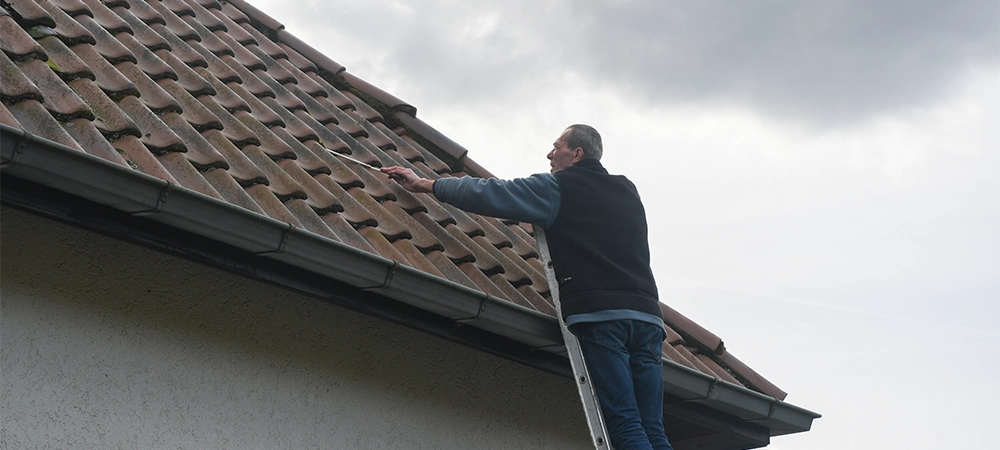
This distinction is critical in roof leak claims.
- Sudden damage: A storm rips shingles off overnight, and water enters the attic. This is typically covered.
- Gradual damage: A small flashing failure allows moisture in over time, leading to stains and rot. This is usually excluded.
Even if the final damage appears severe, insurers focus on how the problem started, not how bad it became.
Related Article: Does Home Insurance Cover Ice Dams and Roof Damage in Ontario?
Does Insurance Cover Interior Water Damage From a Roof Leak?
In many cases, yes.
If a covered event caused the leak, insurance may pay for:
- Ceiling and drywall repairs
- Insulation replacement
- Flooring or carpet damage
- Electrical repairs affected by water
However, insurers may limit or deny interior coverage if:
- The homeowner delayed repairs
- Temporary fixes were not done
- Water damage worsened due to inaction
Quick action matters.
What About Roof Replacement Coverage?
This depends on two factors:
- The cause of damage
- The roof’s age and material
Some policies offer replacement cost coverage, while others pay actual cash value, which factors in depreciation.
For older roofs:
- You may receive partial coverage
- You may need to pay more out of pocket
- Some insurers apply age-based limitations
Understanding how your policy treats roof depreciation is essential before a claim ever happens.
Ice Dams and Winter Roof Leaks
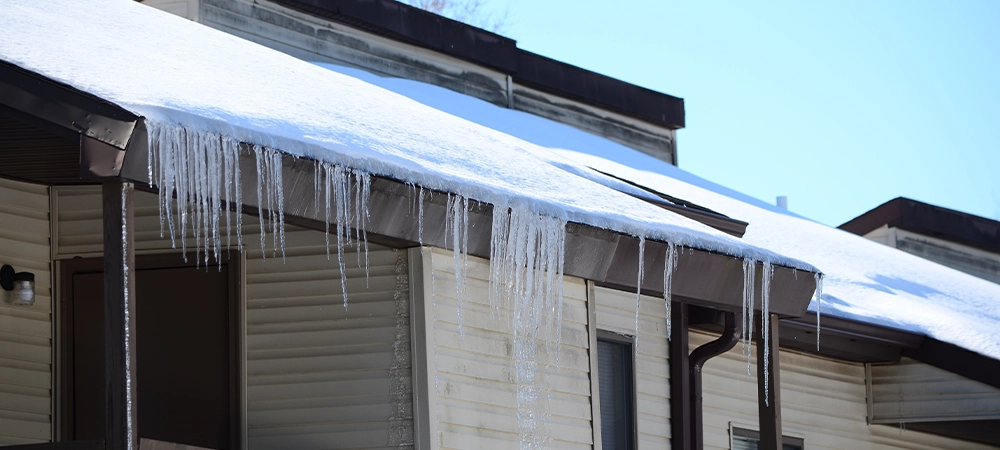
In Ontario, winter roof leaks are common due to ice dams.
Ice dams form when:
- Heat escapes through the attic
- Snow melts and refreezes at the roof edges
- Water backs up under shingles
Many policies cover ice dam damage if the roof was properly maintained and ventilation was adequate. Poor insulation or ignored maintenance can complicate claims.
How Insurers Investigate Roof Leak Claims
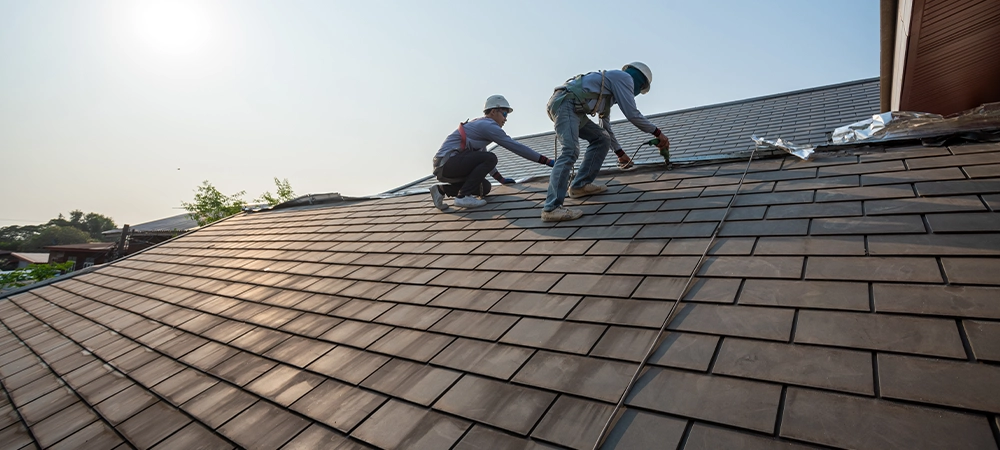
When you file a claim, insurers often:
- Inspect the roof and attic
- Review weather reports
- Ask about roof age and repairs
- Check maintenance history
- Look for long-term staining or rot
Photos, repair invoices, and maintenance records can make or break a claim.
What To Do Immediately After Discovering a Roof Leak
Taking the right steps protects both your home and your claim.
- Stop further damage using temporary measures
- Document everything with photos and videos
- Keep damaged materials if safe to do so
- Contact your broker before starting permanent repairs
- Get professional assessments when requested
Delays can weaken your position, even for valid claims.
How Policy Wording Affects Roof Leak Coverage
Not all home insurance policies are equal.
Key differences include:
- Water damage endorsements
- Roof age limitations
- Ice dam exclusions
- Depreciation schedules
This is where working with an experienced broker matters.
Ron Johnston Insurance helps clients understand policy wording before problems arise, not after a denial.
Can You Add Extra Protection for Roof Leaks?
Yes. Depending on the insurer, you may be able to:
- Add enhanced water damage coverage
- Adjust deductibles
- Upgrade to replacement cost coverage
- Review exclusions tied to roof age
Small policy adjustments can significantly reduce claim disputes later.
Why Roof Maintenance Still Matters for Insurance
Insurance is not a substitute for upkeep.
Insurers expect homeowners to:
- Replace aging shingles
- Clear debris from roof valleys
- Address minor leaks quickly
- Maintain attic insulation and ventilation
Good maintenance protects your home and strengthens your claims history.
Related Article: Understanding the Basics of Home Insurance: A Comprehensive Guide
Know Your Coverage Before You Need It
Roof leaks sit in a grey area of home insurance. Coverage often depends on fine details, timing, and documentation. Knowing what your policy covers before water starts dripping through the ceiling can save stress, time, and money.
A proactive policy review ensures you are not relying on assumptions when it matters most.
If you are unsure whether your current home insurance policy would respond to a roof leak, a policy review can help clarify your coverage before issues arise.
Speaking with a licensed broker at Ron Johnston Insurance allows you to understand exclusions, roof age limits, and water damage coverage, so there are no surprises if you ever need to file a claim.
Talk to us for further assistance.
Frequently Asked Questions
Does home insurance cover roof leaks caused by heavy rain?
Yes, if the rain enters due to sudden damage like missing shingles or storm impact. Gradual leaks from wear and tear are usually excluded.
Will insurance pay for mould caused by a roof leak?
Mould coverage is limited. If mould results directly from a covered event and is addressed quickly, some coverage may apply. Long-term mould is often excluded.
Can a claim be denied if my roof is old?
Yes. Older roofs may receive reduced payouts or partial coverage, especially if depreciation applies or maintenance issues are found.
Should I fix the roof before calling insurance?
You should make temporary repairs to stop further damage, but permanent repairs should wait until the insurer or broker advises.
How can a broker help with a roof leak claim?
A broker reviews policy wording, supports documentation, and communicates with insurers to ensure claims align with coverage terms.